You're not open to New Builds.
Thanks for filling in the form. First things first: no meeting has been booked, and here's why.
You mentioned you're looking to invest within the next couple of years. You also said you're not open to New Builds.
Opes only recommends New Build properties. So a planning session would have taken an hour of your time and ended somewhere that doesn't suit you, which didn't seem like a fair trade. The booking was stopped before it went through.
But you're planning to invest either way. So here's the honest case for New Builds, including the parts that don't work. If it shifts your thinking, there's a link at the bottom. If it doesn't, you'll still understand the comparison better than most people going into their first purchase.
Why we only recommend New Builds
1. You need a lot less cash
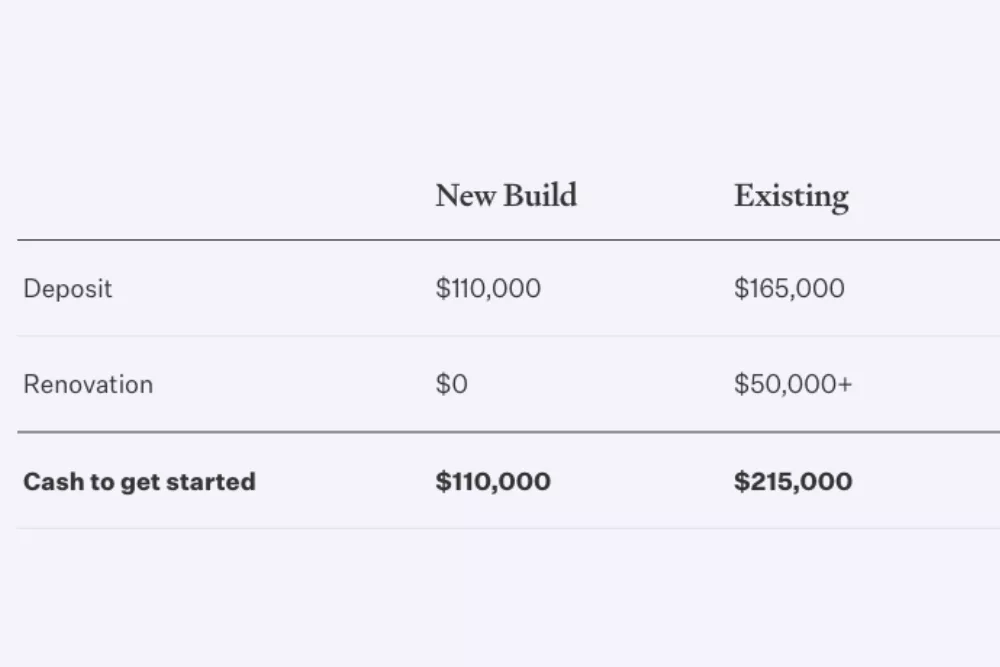
Two investment properties. Both $550,000.
Same price tag. Roughly twice the money to get in the door.
That's because New Builds only need a 20% deposit, where an existing investment property needs 30% (as at July 2026). And there's nothing to renovate, which matters, because the bank usually won't lend you the renovation money.
Debt-to-income limits don't apply to New Builds either. So if it's your income holding you back rather than your deposit, that gap gets wider again.
2. A smaller deposit means a bigger return
Take two $600,000 properties. Both double over 15 years. Both made you $600,000.
One needed $120,000 of your money. The other needed $180,000.
That's a 500% return against 333%. Same growth, very different result.
This is the bit that surprises people. It isn't about the property being new. It's about how much of your own cash is tied up making that growth happen.
3. Your income won't hold you back
Since July 2024, banks have capped how much you can borrow at 6x your income if you're buying a home, and 7x if you're investing. On $100,000 of household income, that's a $700,000 ceiling.
New Builds sit outside those debt-to-income rules completely.
So if it's your income capping your borrowing rather than your deposit, a New Build is often the only way to buy at all.
And none of this is an accident. The Government and the Reserve Bank both want more houses built, which is why the incentives keep pointing this way.
4. There's less to look after
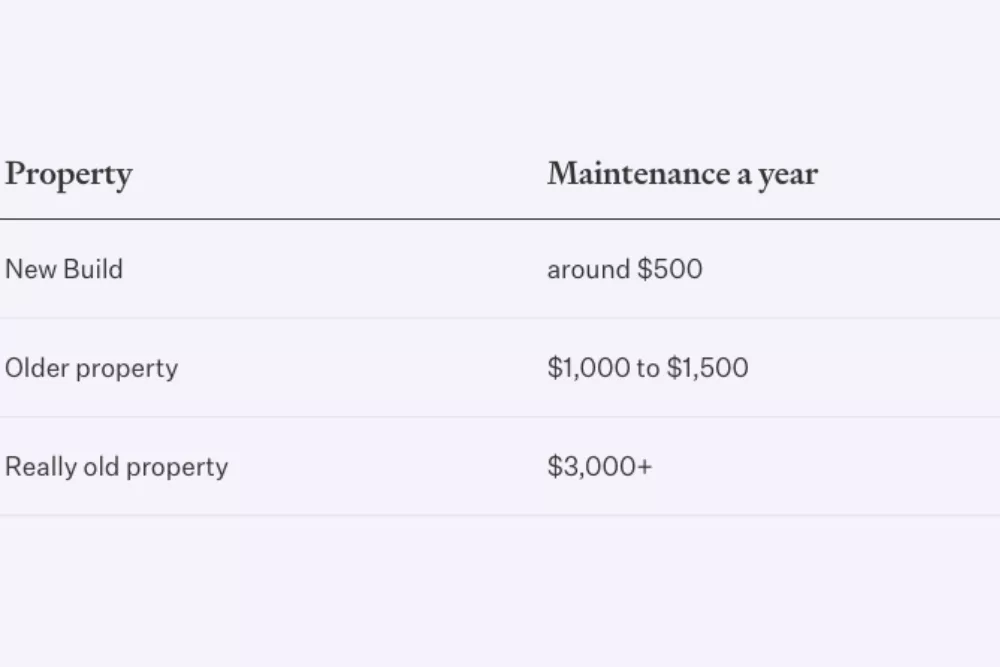
Around $1,500 a year of difference, every year you own it.
You also get a 10-year guarantee on the building work, warranties on the appliances, and a house built to today's building codes rather than whatever passed in 1968. When something does go wrong, there's usually a warranty behind it instead of a bill.
New Builds aren't just townhouses
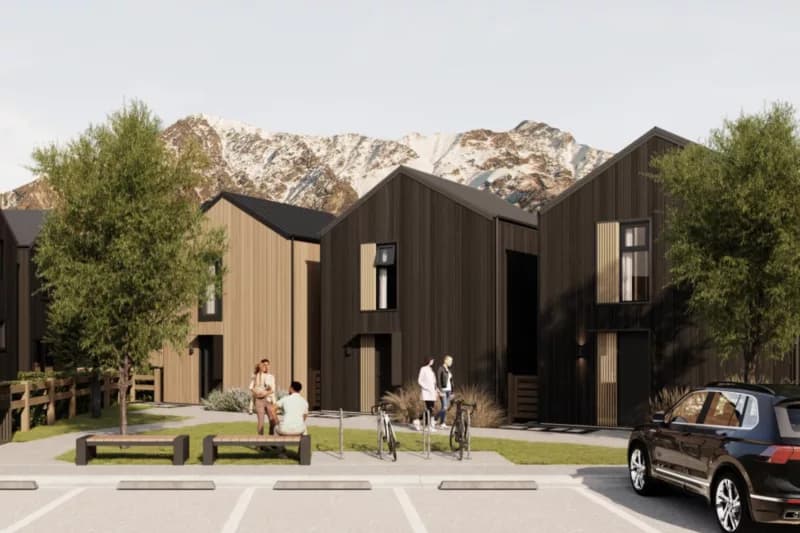
Standalone houses are the ones that surprise people. Three or four bedrooms on their own section, with a garage. It's the same shape of property most people picture when they imagine buying an investment, except nothing needs doing to it.
Which type suits you comes down to whether you're chasing growth or cashflow. You rarely get both.
Townhouses and standalone houses are usually picked for capital growth. We aim for around 5% a year, or 6% in Auckland, with yields sitting between 4% and 4.8%.
Dual-keys go the other way. Two tenancies under one roof on a single title, so yields start at 6%, but we assume slower growth of 3.5% to 4.5%.
Those growth numbers are deliberately lower than what the market has actually done. We'd rather the numbers still stack up in a bad decade than assume a good one.
We leave one-bedroom properties off the list, because they don't grow in value as well.
Who are New Builds right (and wrong) for?
Right for
- You've got a deposit but not a huge one, and want to start sooner rather than in three years
- Your income is what's capping your borrowing, not your savings
- You want a property that's tenanted and earning without needing work first
- You're investing for a decade or more and want your weekends back
Wrong for
- You want to renovate and add value yourself
- You're chasing a bargain below market value
- You want plenty of options to choose from
- You want to walk through the property before you buy it
Changed your mind?
Spend an hour with a registered Financial Adviser and find out what a New Build could actually do for you. You'll get a written plan you keep either way.
Book your free session