New Builds
Are there too many townhouses being built in New Zealand?
In this article, you’ll learn just how many townhouses are being built and where, whether there are too many, if there is or isn’t an oversupply and why not?
Property Investment
11 min read

Townhouses have historically grown in value at a similar rate to standalone houses, lagging by only about 0.6% per year.
More people need homes, and fewer people can afford a big house on a big section. That's why demand for townhouses keeps growing.
But, still, one of the most common questions I get is: “Will townhouses go up in value in the future?”
So, in this article, you’ll look at the numbers to see how fast townhouses have gone up in value in the past.
I’ll lay out the arguments for why townhouses could keep going up in value. But, also the arguments for why that won’t keep happening.
Just before we get into the numbers, here at Opes Partners we recommend properties to investors. Some of them are townhouses.
So I've got an incentive to say: “Townhouses will keep going up in value. Everyone should be a townhouse”
I’m not going to say that.
Instead, I’ll lay out both sides of the argument as honestly as possible. Then, I’ll take a step back so you can make the right investment decision for you.
Townhouses aren’t a fad. And while the future is uncertain, they’ve increased in value in the past. Part of that is because they are more affordable, a growing population need more homes, and New Zealanders are choosing to live in them
Let’s start with why townhouses might not go up in value that much in the future.
More and more townhouses are being built. In the year ended January 2026, townhouses, flats, and units made up 43.8% of all new homes consented in New Zealand. That’s according to Stats NZ.
That’s a big increase from around just 6% in 2012.
This surge, especially in Auckland and Christchurch, makes investors nervous about oversupply.
Why is that? Because, when there’s too much supply of any property type (compared with demand):
An oversupply could leave investors stuck with properties that don’t grow in value and can’t generate a strong yield.
You often hear the saying: “It’s the land that goes up in value, not the building.”
So some investors think: “If a townhouse only has 70-120m² of land, and a standalone house has 350-500m² .... then surely the house should grow in value much faster?”
It’s a fair question. Here’s the logic people use:
Now, looking at the data, it’s not true that more land = faster house price growth. There’s more to the story.
Having more land makes your house more expensive, but it doesn’t necessarily make the house double in value faster.
But some investors still believe that it’s the land that goes up in value. This is one of the points made when people argue that townhouses won’t go up in value as fast as a house.
The Kiwi dream is used to be owning a quarter-acre section. That’s roughly 1,000 sqm of land.
And the average Kiwi home has traditionally been a standalone 3-bedroom house.
Most townhouses have less than 150sqm of land, so they don’t fit the traditional idea of what Kiwis aspire to own.
Another argument is that many townhouses are new, so what happens when those townhouses age over time?
Sure, new townhouses are popular today … but what about in 10-15 years? Will older townhouses struggle to compete with newer builds?
Standalone houses often benefit from renovations or land value appreciation over time. You can give an old home a facelift or build on the back garden. But there’s less room to play with when it comes to townhouses.
Now that we’ve taken a stern look at the arguments against townhouses going up in value, let’s take a fair look at the other side.
Everyone can see that townhouses are being built.
What’s less obvious is that people are buying them. And the reason is simple: standalone houses on big sections are expensive.
House prices have increased faster than incomes, so many Kiwis are priced out of traditional homes.
When you can’t afford a house, you look for something that’s within reach.
For many buyers, that’s a townhouse.
In June 2026, the median sale price of a townhouse was $750,000. The median sale price of a house was $1,050,000. That’s according to REINZ.
So the median buyer paid $300,000 less to buy a townhouse compared to a house. That’s why Kiwis are choosing to live in them.
As houses get more expensive compared to incomes, more people buy what they can afford.
That’s why I expect more Kiwis will live in townhouses over time.
We’ve seen similar trends in the past. In the 1960s and 70s, many people built brick “sausage flats”. These days they are known as units.
These properties are still attractive for renters and home buyers . That's because they are more affordable than larger standalone houses.
Kiwi families are getting smaller. Back in 1976, the average woman was forecasted to have 2.37 children. Today, that has dropped to 1.55 births per woman (Stats NZ, 2025)
On top of that, more Kiwis are living alone. 22.8% of households had one person living there alone, according to the 2023 Census.
We don’t need as much space or as many bedrooms, so the houses we need are changing. That means less demand for bigger homes and more demand for smaller, higher-quality homes.
We call this a move to “compact quality”.
Modern townhouses are all built to contemporary tastes and standards. They also have modern features like double glazing.
The townhouses you see being built represent less of a building boom and more of a shift in how Kiwis (at least in larger cities) choose to live.
We need to put people somewhere.
As more people move to New Zealand (and into NZ cities), houses are being built closer together to fit everyone in.
It wasn’t that long ago that a million people lived in Auckland.
Now, there are 1.82 million. That’s as of June 2025 (Stats NZ).
Many people moving to New Zealand from overseas are from high-population countries. Think places like China, India and the Philippines.
These new New Zealanders may already be used to living in more densely populated cities.
You sometimes hear the argument: “Kiwis don’t want to live close together.”
And yes, townhouses do bring people closer together than the traditional quarter-acre dream.
But if that were really true, some of NZ’s most expensive suburbs wouldn’t look the way they do.
Take Herne Bay or Parnell. The land has become so expensive that multi-million-dollar homes are packed close together on small sites.
People live almost side-by-side and yet these suburbs have seen some of the strongest capital growth in the country.
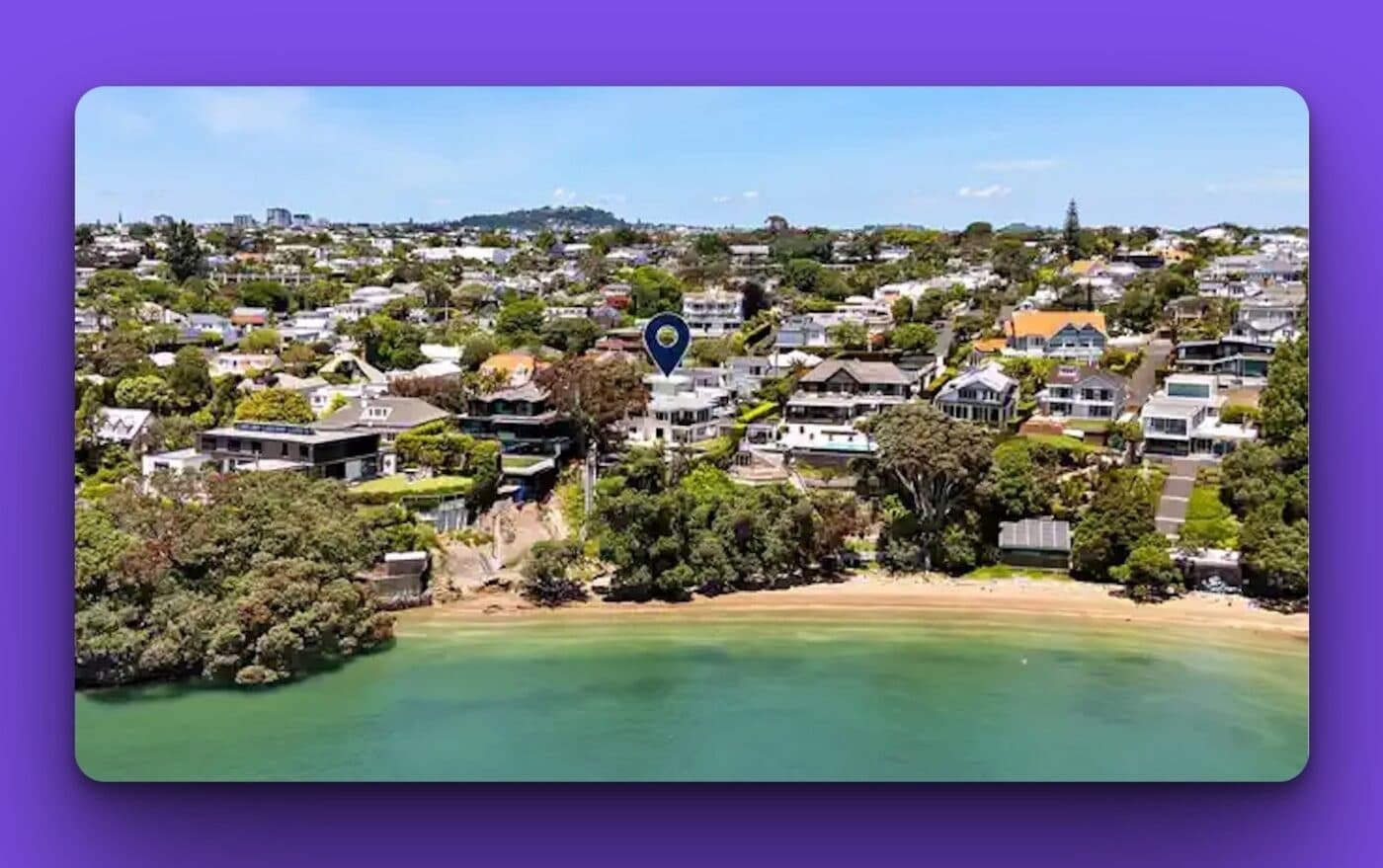
Why? Because ultimately home buyers care more about the house than the backyard.
And that’s because you do all your living, cooking and sleeping inside the house. So, this is an example where wealthy Kiwis are choosing to prioritise location and house quality over section size.
And this isn’t just theory – it’s how people already live.
Sydney offers a potential glimpse into where New Zealand's housing market could be heading.
Suburbs like Surry Hills, Redfern and Erskineville are highly sought after by young professionals. That's because they’re only a few kilometres to the CBD.
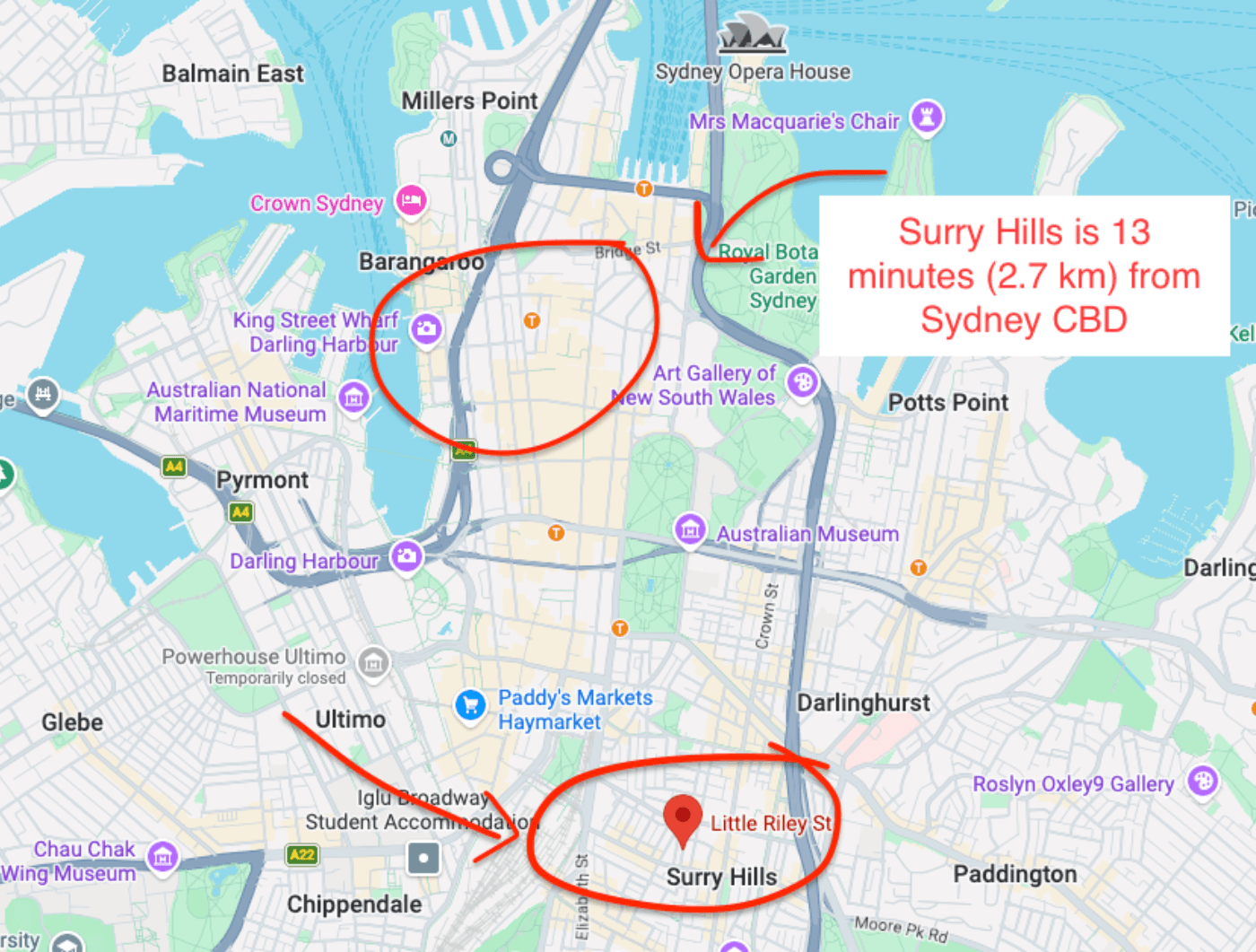
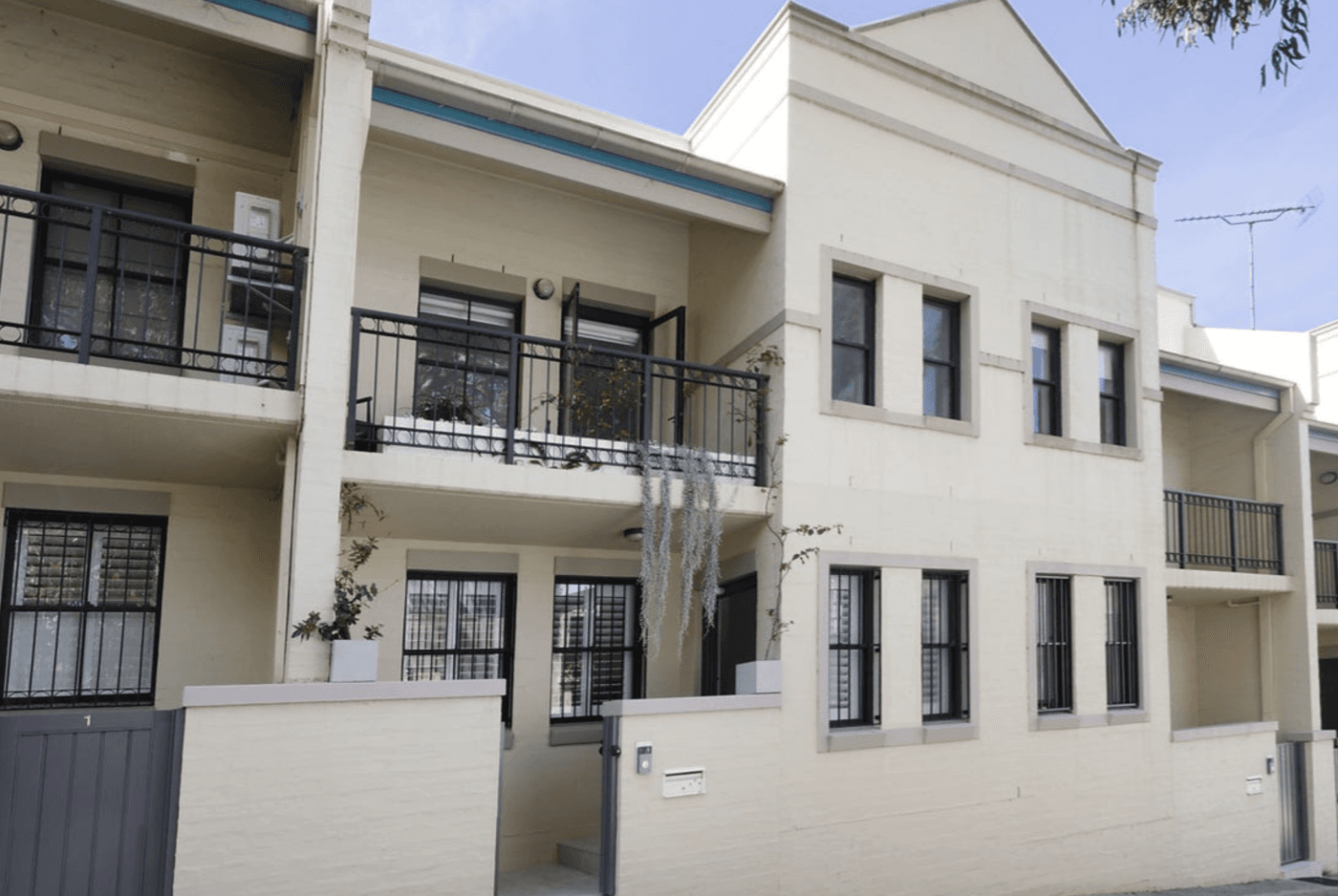
Here’s a small, 2 bedroom townhouse on Little Riley Street in Surry Hills. It sold for $2 million dollars in October 2025.
There’s a famous "skinny house" in Erskineville. It's just one bedroom and so narrow there wasn't room for a bath inside, so the owners installed one in the backyard.
It still sold for $1.275 million in March 2026.
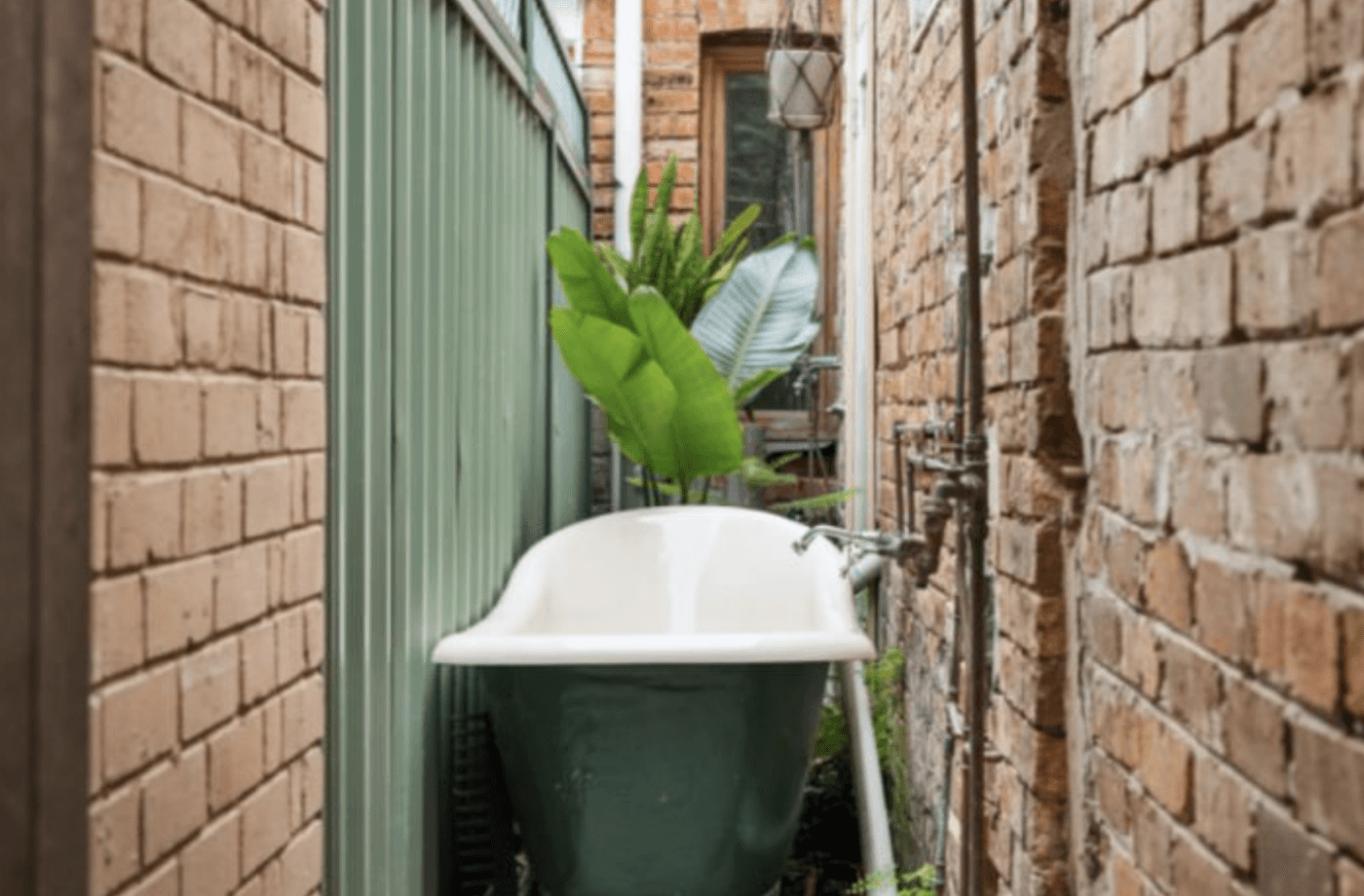
Most of the townhouses here are old and pokey, but are selling for over $1 million.
Why? People are paying for the lifestyle and convenience that comes with living close to the city. The homes may be smaller, but they're exactly what buyers are willing to pay for in that location.
We're already starting to see the same shift in New Zealand.
In Christchurch, 25% of all homes are townhouses.
Buyers aren't just choosing them because they're more affordable. Many actively prefer a warm, dry, low-maintenance home close to the places they want to be over a larger house further out.
Townhouses don't lose their value once the “new” shine wears off. Cars do that. Houses don't.
Some people make the mistake of thinking new houses are like new cars – they aren’t.
Take a 2008 Toyota Corolla. New, it might have cost $26,450 to $41,490. Today it's worth $4,000 to $10,000. That's a loss of 70-85%.
Now take a $500,000 New Build bought in Auckland in July 2008. According to Opes' modelling it's worth around $1.2 million in July, 2026. That's a 137% gain.
Cars decline in value over the long-term. House values tend up over the long-term, dips and all.
So what actually ages in a new townhouse? Carpet. Paint. Bench tops. The cosmetic stuff that depreciated in every house.
What holds the value is double glazing, insulation, and build quality – features that don't wear out.
Historically, townhouses and standalone houses in New Zealand have increased in value at a similar rate.
Here is a graph showing the average annual capital growth for townhouses and houses:
Townhouses increase at almost the same rate as houses in Auckland. You can see in the graph how similar the two lines are.
Existing properties go up and down in value roughly the same rate as new ones.
Yes, there is a slight difference in favour of houses.
When you average it out, houses properties beat townhouses by about 0.6% per year (in this example).
That means if existing properties increased 8% per year, townhouses rose around 7.4% per year.
| Measure | Houses | Townhouses |
| Average annual capital growth | Higher | Slightly lower |
| Difference | +0.6% per year | — |
| Example (if houses grew 8.0% p.a.) | 8.0% p.a. | 7.4% p.a. |
| Long-term takeaway | Slight historical advantage | Very similar long-term performance |
There’s very little in it.
It turns out that having three or four times more land didn't translate into dramatically better capital growth.
But what will happen in the future? We don’t know exactly yet. The future hasn’t happened yet.
Based on the arguments you’ve heard what do you think will happen? Let me know down in the comments section.
I do think townhouses will keep going up in value over the long term. Not because they're townhouses but because they're becoming the type of home more Kiwis can afford and increasingly want to live in.
Could standalone houses outperform them? Absolutely. History suggests they probably will by a small margin.
But here's the key point: the data doesn't support the idea that townhouses are poor investments simply because they sit on less land.
To me, that's the biggest myth.
If I had to choose between a well-located townhouse and a poorly located standalone house, I'd pick the better location.
Because in the long run, people don't buy square metres of land. They buy a place they want to live.

Resident Economist, with a GradDipEcon and over five years at Opes Partners, is a trusted contributor to NZ Property Investor, Informed Investor, Stuff, Business Desk, and OneRoof.
Ed, our Resident Economist, is equipped with a GradDipEcon, a GradCertStratMgmt, BMus, and over five years of experience as Opes Partners' economist. His expertise in economics has led him to contribute articles to reputable publications like NZ Property Investor, Informed Investor, OneRoof, Stuff, and Business Desk. You might have also seen him share his insights on television programs such as The Project and Breakfast.
This article is for your general information. It’s not financial advice. See here for details about our Financial Advice Provider Disclosure. So Opes isn’t telling you what to do with your own money.
We’ve made every effort to make sure the information is accurate. But we occasionally get the odd fact wrong. Make sure you do your own research or talk to a financial adviser before making any investment decisions.
You might like to use us or another financial adviser