
Property Investment
What is your dream retirement?
Half of Kiwis don’t have a retirement plan. I think I know why. So, next week, I’m doing something about it. Here’s what we’re launching 👇
Property Investment
3 min read


Author: Andrew Nicol
Founder, 20+ Years' Experience Investing In Property, Author & Host
Just how much can you negotiate off the price of a house?
The answer could be over $30,000, according to new data from realestate.co.nz.
But, as you’re about to see … there’s a catch.
Every year at Opes, we analyse over a thousand deals for the investors that we work with, and we negotiate the prices.
So, we’ve learned how to negotiate a deal.
That’s why Ed (our economist) was on Breakfast on TVNZ 1 yesterday morning talking about how to haggle your house price.
In that segment, he shared that the average asking price drop is $33,212.
In simple terms, if a property was originally listed online for $700,000 … by the time it was taken off, the asking price had fallen to around $666,788.
Now, there is a catch here. This is only looking at the 5% of listings where there actually was a price drop.
95% of listings had no price drop at all.
So how do you find these good deals?
In Auckland, only 2% of properties had a price drop. But in:
That tells us where more sellers are visibly resetting their expectations.
Here’s an interactive map that breaks down the discounts. You can click on the image to explore the data yourself.
So, how do you find sellers who are willing to negotiate on price? I have a 3-person property team whose job is to go looking for investment properties for Opes’ clients.
Here's what we've found works:
If a property was listed online yesterday, the seller probably still hopes for a high price.
They’re still imagining three buyers fighting over it. So they often think: “I’m not taking a low-ball offer. Let’s just see what happens.”
So if you’re on realestate.co.nz, sort the listings by most recent. Then scroll to the end and look for properties sitting there the longest.
You’re not just looking for cheap, you’re looking for negotiable.
Sometimes my property team specifically looks for developers who are struggling to find buyers. That’s where they swoop in and start to negotiate.
If a house is asking $700k, but similar homes nearby have recently sold for $670k, you’ve got a reason to offer less.
That’s very different from throwing in $550k and hoping the vendor is desperate.
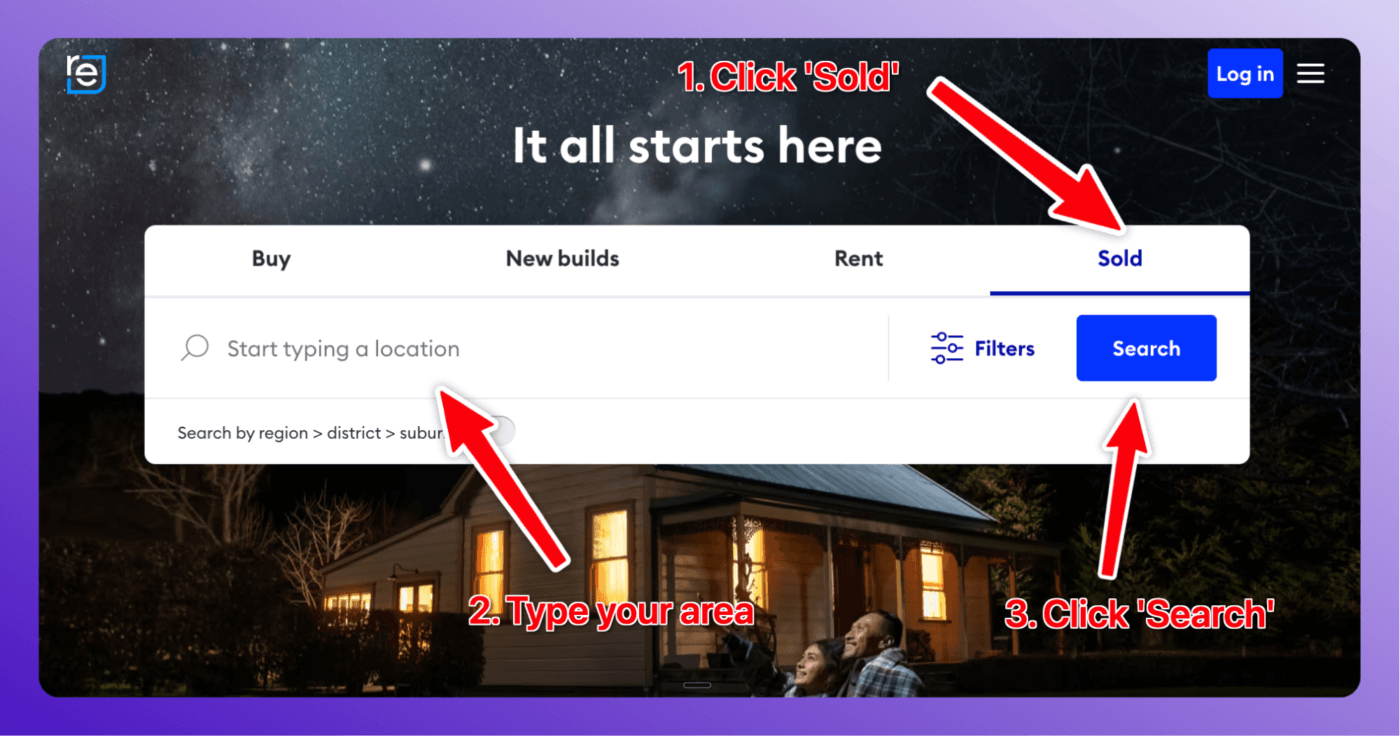
You can find out what houses are selling for free using Realestate.co.nz’s sold section.
This is useful in the sense that agents will do the opposite. They will advertise a property as “enquiries over $700k” when actually they want $800,000.
So looking at what has sold will help you have the right expectations.
Sometimes the best offer isn’t the highest offer.
Sometimes it’s the cleanest, the fastest, or the one that solves the seller’s problem.
So ask the real estate agent: “Other than price, what does the seller really care about?”
They might want a long settlement because they haven’t found their next home yet. Or they might want the cash quickly.
At Opes, we help hundreds of investors per year buy an investment property. That scale helps us negotiate prices and deals that work for those investors.
So, are Kiwi home sellers open to low-ball offers?
Maybe. But don’t start shaving $30k off every property you see just yet.
Remember, only about 5% of listings had their asking price reduced.
The trick with negotiation is to find a seller willing to negotiate.
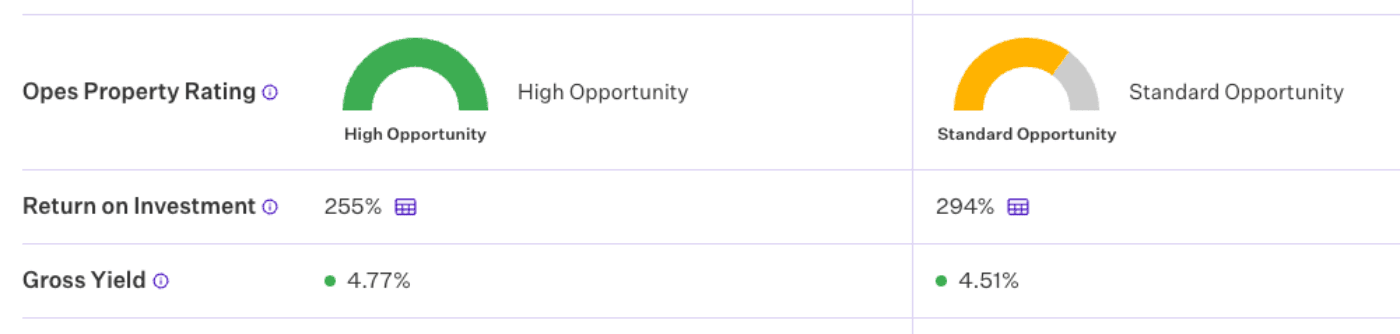
Once you've found a property and wondering “is it actually worth buying?” That's when you head into Opes+ (our free app for property investors) to check the Opes Property rating.
This shows you if a property could be a High Opportunity, Standard Opportunity, or Requires Review.
Founder, 20+ Years' Experience Investing In Property, Author & Host
Andrew Nicol, Managing Director at Opes Partners, is a seasoned financial adviser and property investment expert with 20+ years of experience. With 40 investment properties, he hosts the Property Academy Podcast, co-authored 'Wealth Plan' with Ed Mcknight, and has helped 1,894 Kiwis achieve financial security through property investment.
This article is for your general information. It’s not financial advice. See here for details about our Financial Advice Provider Disclosure. So Opes isn’t telling you what to do with your own money.
We’ve made every effort to make sure the information is accurate. But we occasionally get the odd fact wrong. Make sure you do your own research or talk to a financial adviser before making any investment decisions.
You might like to use us or another financial adviser


