Property Investment
Property Investment
9 min read


Author: Jess James-Davies
Business Development Manager with over 5 years of experience in Property Management in Auckland.
Reviewed by: Tiffany Bracey
Property Manager Team Leader at Opes Property Management Auckland.
When a tenancy ends, one question comes up time and time again:
“How clean is clean enough?” “How clean does a property have to be when a tenancy ends?”
It’s a fair question.
On one hand, most tenants want to do the right thing (and get their bond back). On the other, property investors want their properties to be cleaned.
As a property manager, I know that the line between “clean enough” and “not quite” isn’t always clear.
In this article, you’ll learn what the law says about cleaning. You’ll learn what “reasonably clean and tidy” actually means, and what you can do if you disagree with your property manager
Move-out cleaning isn’t about perfection. It’s about leaving the property in roughly the same clean, tidy condition it was in when you got the keys.
Under the Residential Tenancies Act, tenants must leave a property: “Reasonably clean and tidy.”
That’s the full legal standard. It doesn’t say anything about getting a professional cleaner. And no, the property does notneed to be cleaner than when you moved in.
Tenants need to return the property in the same condition they received it (minus any fair wear and tear). And tenants can’t be asked to improve on it.
Based on my experience as a property manager, here’s what “reasonably clean and tidy” includes (and doesn’t include):
| What “reasonably clean” includes | What it doesn’t include |
Benches wiped Floors vacuumed/mopped Bathrooms cleaned Oven and stovetop cleaned Rubbish removed No obvious dirt, grease, mould, or grime | Repainting walls Steam-cleaning carpets (unless you caused damage) Fixing age-related deterioration of the property |
The problem is “reasonable” is subjective. Everyone has their own idea about what's reasonably clean.
Short answer: No. Tenants are not legally required to pay for professional cleaning.
At Opes Partners, we send tenants a checklist of everything we’ll be checking. We also give them the option of using our preferred cleaner, but that’s optional.
Cleaning checklist:
Once a tenant moves out, I go through the property and look at 3 key factors:
#1 – Age of the property
Older property will have more wear and tear. A scuff on a 25-year-old wall? Likely acceptable. The same scuff in a brand-new build? Probably not.
#2 – Number of past tenancies
More tenancies = more wear and tear. If you’re the first tenant in a new home, the expectation is that the property will be cleaner.
#3 – What the property looked like at move-in
Property managers should do an ingoing inspection report. This has photos of what the property looked like at the start of a tenancy. This is the baseline for how clean the property should be when the tenant moves out.
If the property isn’t reasonably clean, your property manager will usually arrange:
This is to bring the property up to standard. Now, don’t worry. They won’t hire all of these people willy-nilly. They’ll just hire the people that are needed to bring the property back up to scratch.
These costs are taken from the bond, unless the tenant pays directly.
It’s worth noting that only 5–10% of homes fail a vacate inspection on the first try. Only a few need some level of follow-up cleaning or maintenance.
If the property is left in poor condition, your total cost can add up.
We try our best to give the tenants a bit of a ballpark. But because new tenants usually move in quickly, there often isn’t time to send quotes back and forth.
Even the best tenants can still miss things when cleaning before moving out. Here are the most common offenders:
Tenants often wipe the surfaces but forget the inside. Property managers will open every single cupboard and drawer in your property. So, they’ll see if you missed one or two.
Here are a few example of the times tenants have not cleaned to the standard. That way you know what to look out for:
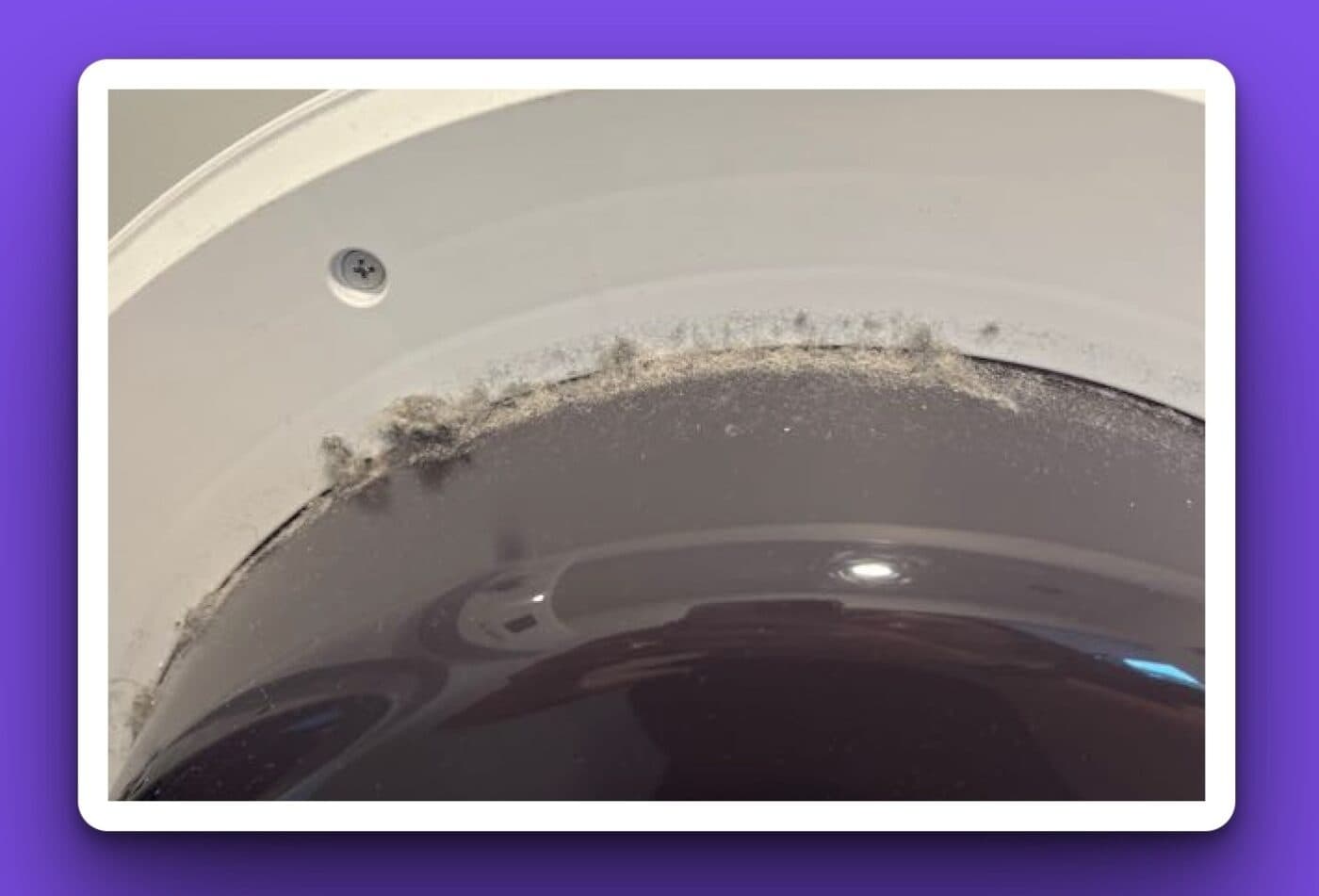
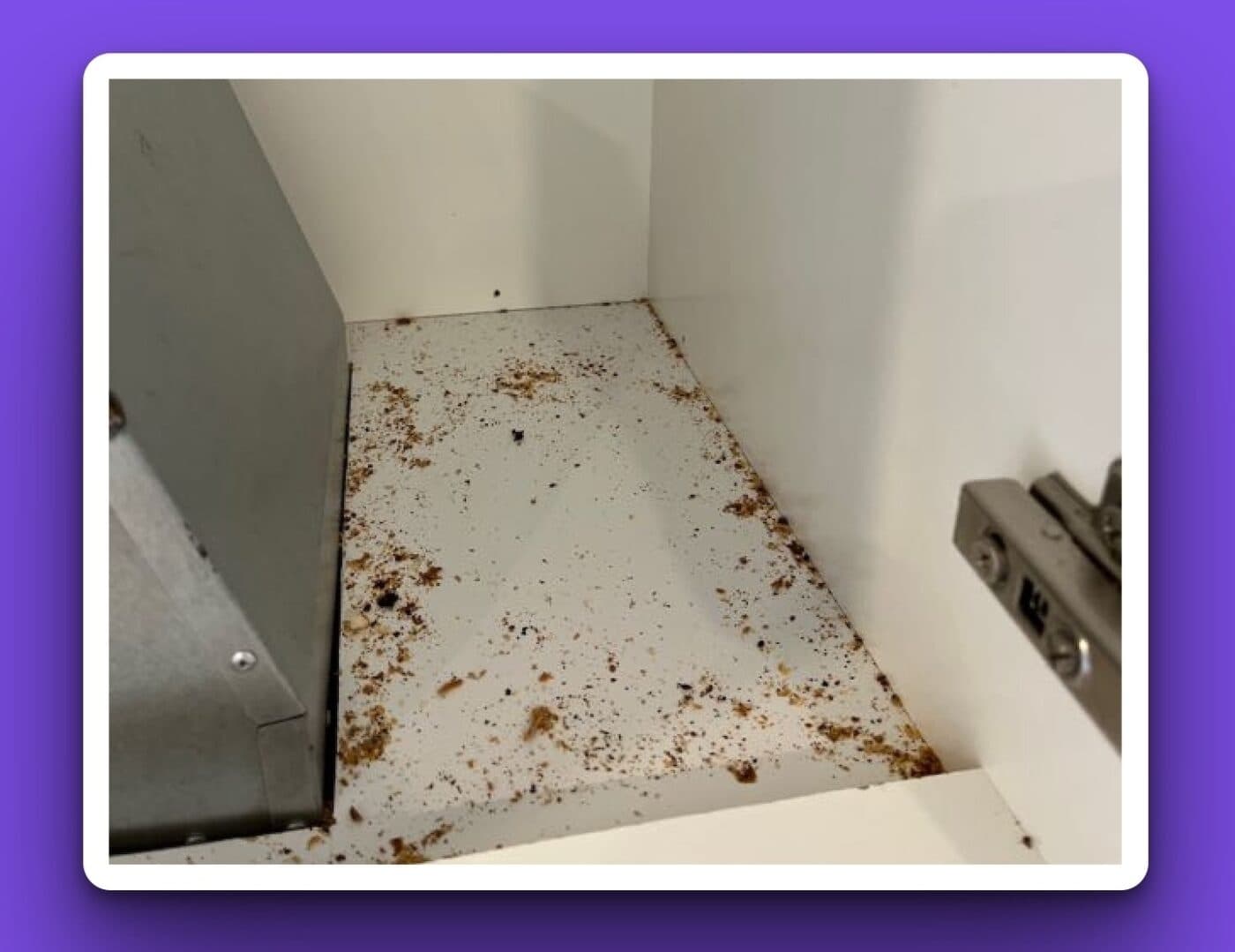
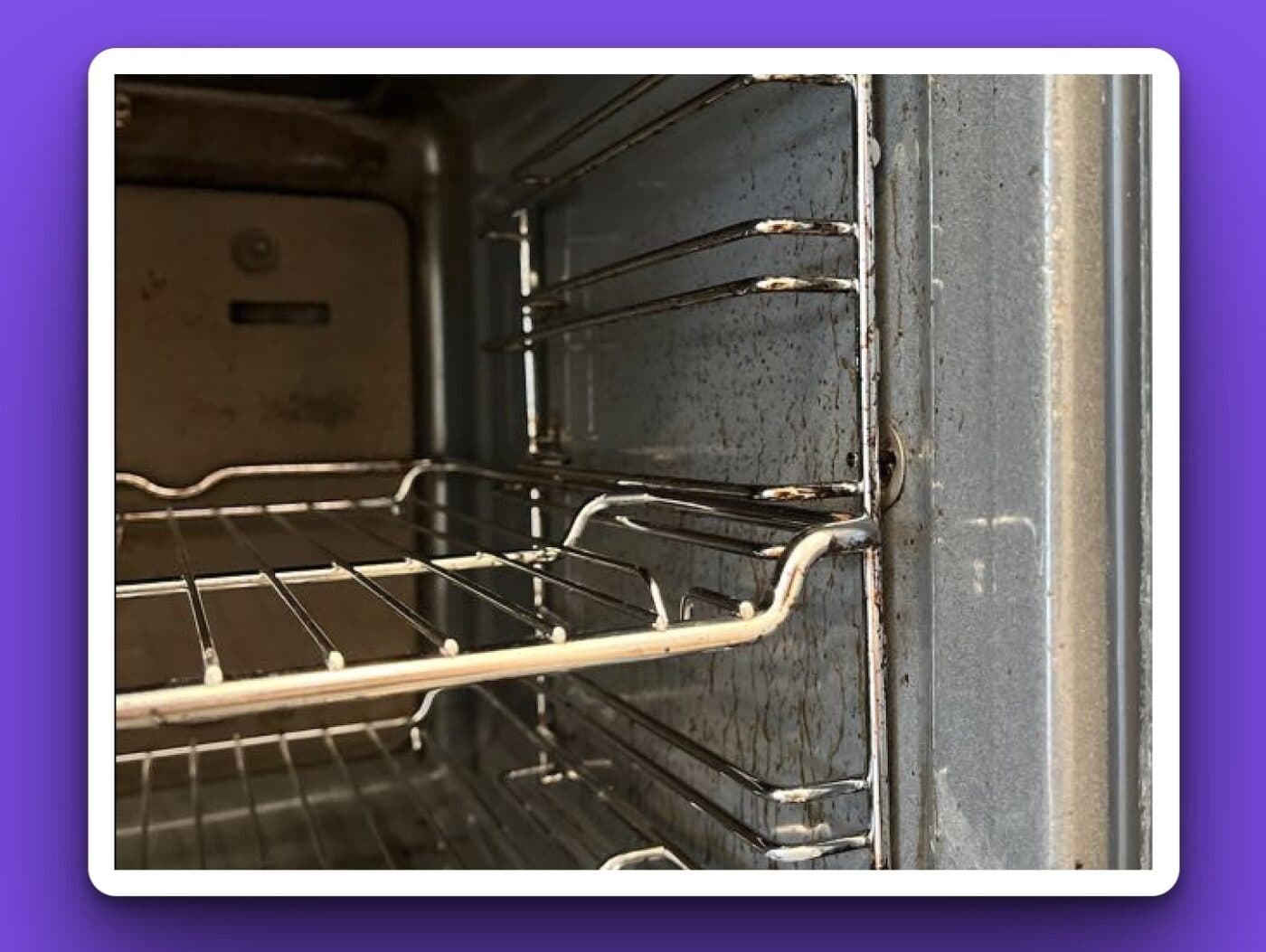
It’s time-consuming to clean an oven. That’s why some tenants avoid cleaning it before moving out.
And many cleaners even charge extra for ovens because it’s that laborious. But it’s really important the oven is cleaned thoroughly. You wouldn’t want to cook in a dirty oven either.
Here are a few more examples of cleaning that wouldn’t pass:
Heat pumps are easily forgotten. But the filter and the outside of the unit should be cleaned.
Tenants often leave the property with rubbish still in the bins. After all, you might have thrown out a lot of stuff before moving. But, many tenancy agreements will have written in the fine print that the bins need to be emptied and cleaned before handing back the keys.
This will also usually be written into the contract. It’s a tenants responsibility to keep the lawns mowed.
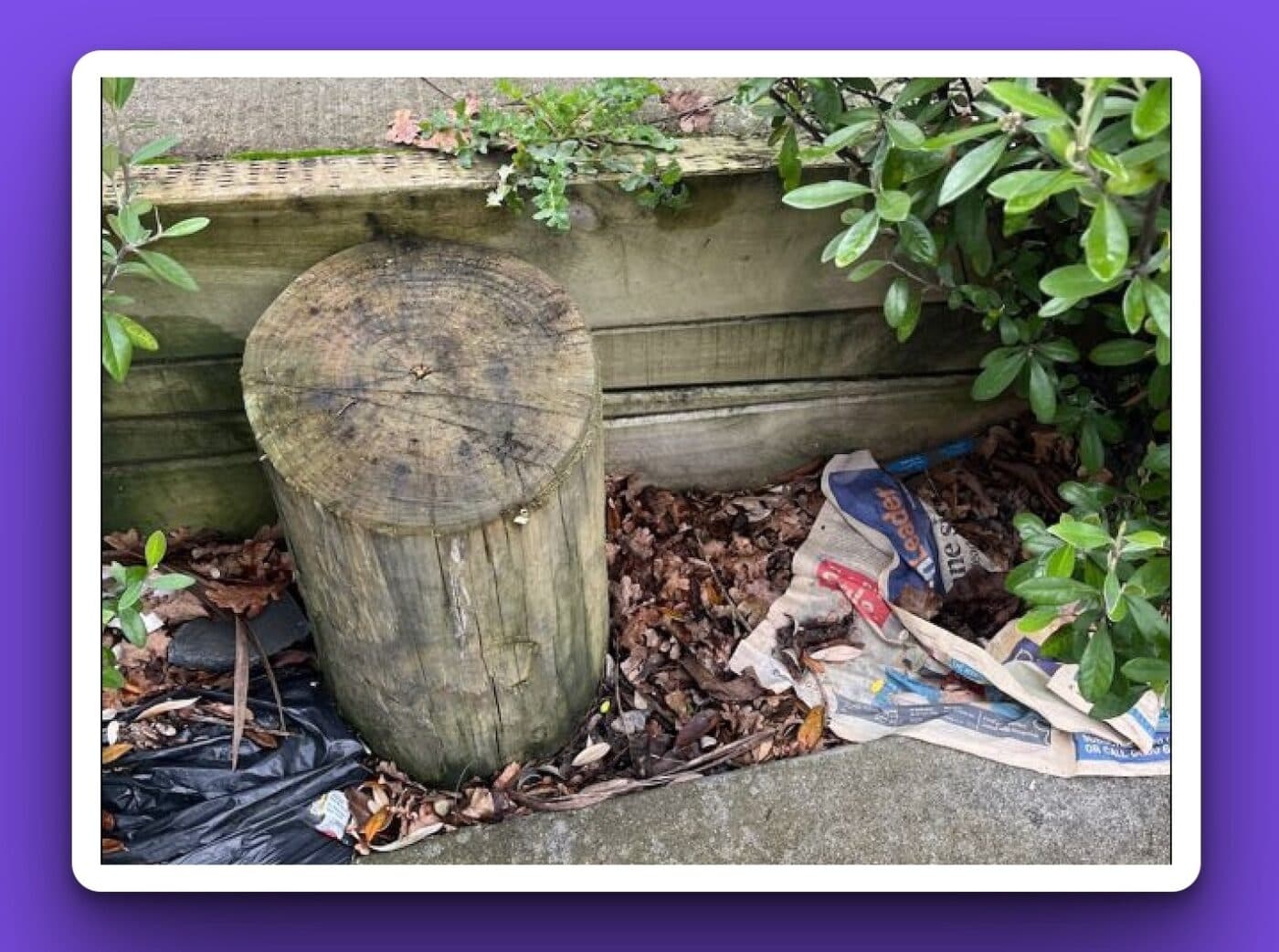
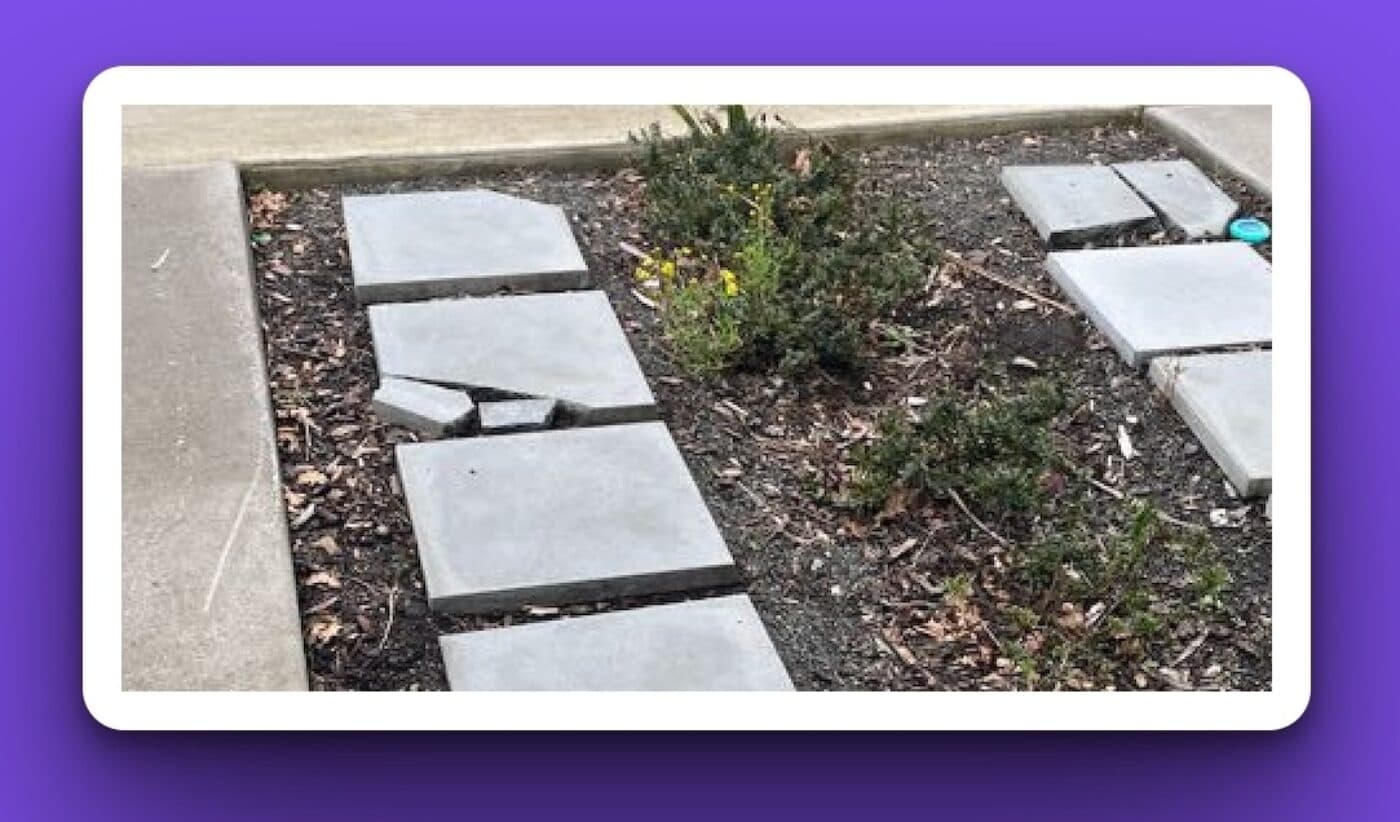
If these aren’t maintained during the tenancy, tenants can be charged at the end. That includes if a bunch of your rubbish ends up in the garden, or if there’s damage to the paving stones.
Here are a few more examples of properties that wouldn’t pass an outgoing inspection:
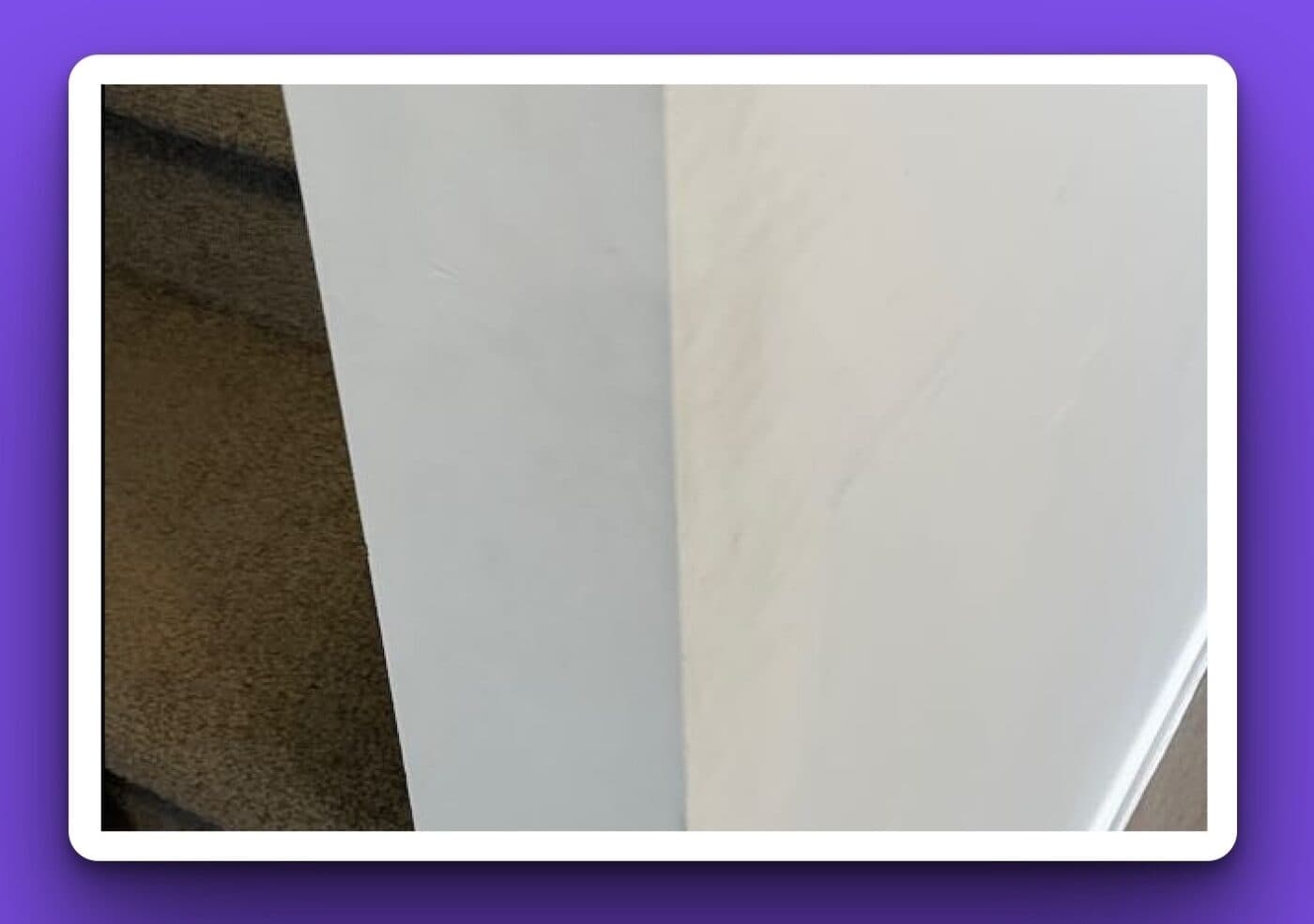
It’s easy to forget to wipe on top of a cupboard or miss a crevice on a skirting board. Tenants need to wipe these down, that includes any hand marks. These often show up if the walls are white.
Landlords can’t require you to hire a professional carpet cleaner unless:
That doesn’t necessarily mean hiring a person to clean your carpets. It could mean going to the supermarket and hiring a Rug Doctor.
If a professional machine can’t remove the stain, the owner may claim insurance or replace the affected area. The cost is usually charged to the tenant.
| When you do need a professional carpet cleaner | When you don’t need a professional carpet cleaner |
Food, wine, or pet stains Spills that can’t be removed with standard cleaning Odours or contamination | Flattening in high-traffic areas Sunlight has changed the colour of the carpet General age-related wear |
Landlords can’t use your bond to make the carpet better than when you moved in.
If the carpet looked freshly cleaned at move-in, it should look that clean when you leave. If it didn’t, you’re not required to make it pristine.
It’s just as hard to define “fair wear and tear” as it is “reasonably clean and tidy”.
Remember, tenants don’t need to pay for any fair wear and tear. That’s the landlord’s responsibility and was paid for as part of the rent.
So there is a grey area between what’s the tenant’s responsibility to clean and what is just part and parcel of living in a home.
Here’s a basic breakdown of where the line is usually drawn:
Remember, it’s not about what the landlord or tenants thinks is fair – it’s what the Tenancy Tribunal decides.
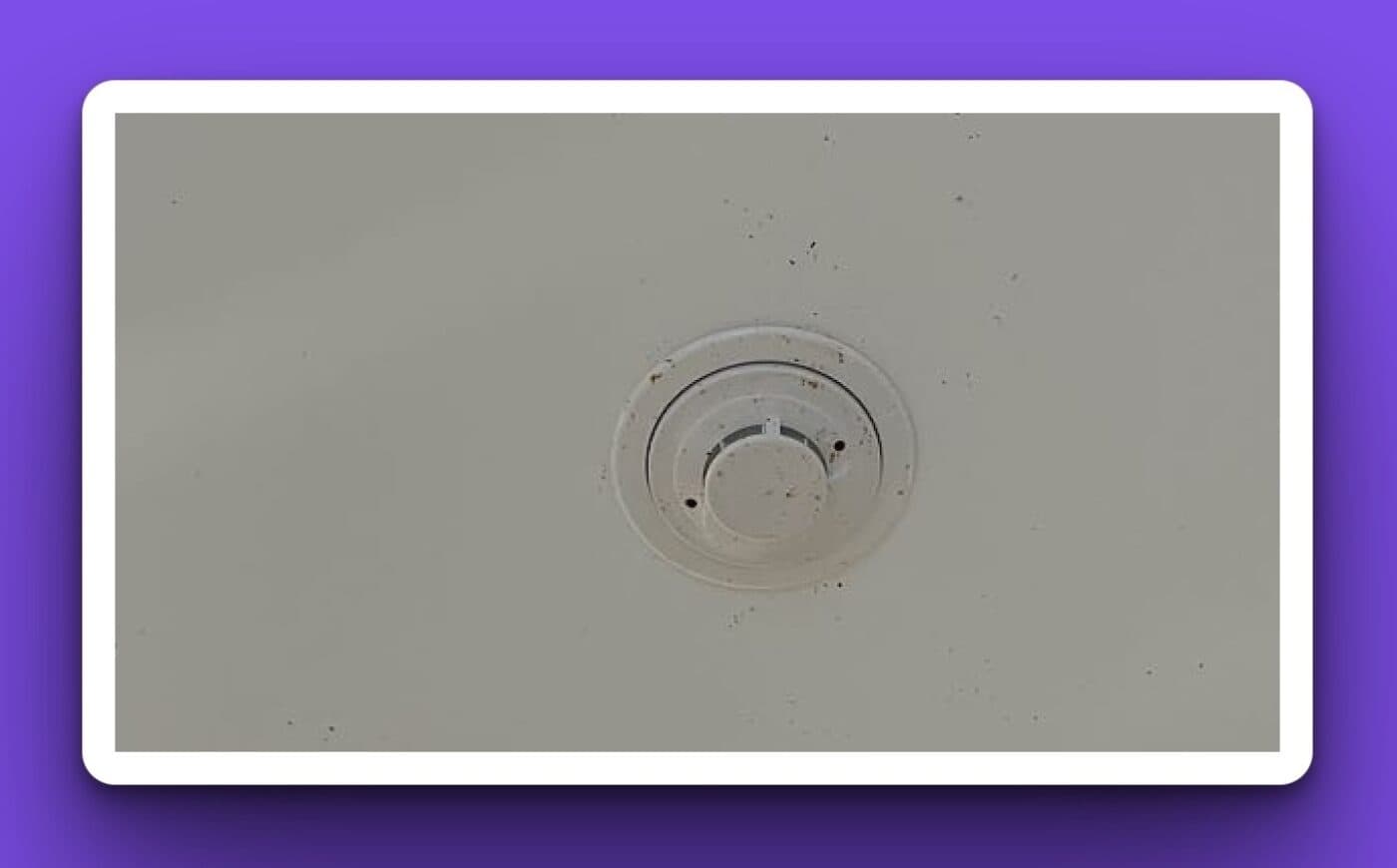
If you walk into a house, you might notice fly spots on the ceilings. This typically happens in open-plan living areas.
But what are these fly spots? It’s fly poo. And this is a common bone of contention between tenants and property managers.
Tenants often say: “It wasn’t me – I’m not the fly.” That’s just part of living in the house.
But fly poo is dirt, not wear and tear. And “reasonably clean and tidy” means removing dirt. That includes the ceiling.
If the mess happened during your tenancy, the new tenants shouldn’t inherit it.
If you need to clean these fly spots, don’t worry, you don’t have to hire a ladder. A standard mop will often reach the ceiling.
Property managers walk a tightrope between:
Property managers don’t want to start a new tenancy with the property not clean enough. That’s not fair for the next tenant.
Sometimes there are disagreements about cleanliness. This could happen between the tenant and the property manager. Or even the landlord and the property manager.
Let’s say the property manager thinks the property isn’t clean enough. But, that the tenant disagrees. There are two paths:
1. The tenant agrees to the cost being taken from the bond
2. The disagreement goes to the Tenancy Tribunal
In that case that it does go to the Tribunal, both sides need evidence, such as:
The Tribunal will make the final decision on who should pay for the cleaning bill.
At the end of the day, move-out cleaning can feel like a grey area. What one person sees as “reasonable,” another might see as “not good enough.”
From the tenant’s side, it can feel nit-picky – like the property manager is just looking for reasons to hold onto the bond.
From the property manager’s side, there’s a responsibility to protect the owner’s asset. They also need to hand over a clean, well-maintained property to the next tenant.
So while moving out day can raise issues, the end goal is fairness.
If everyone aims to leave the property the way they’d got it (and would want to receive it) the entire process becomes smoother.
Business Development Manager with over 5 years of experience in Property Management in Auckland.
Jess Knight is the Business Development Manager at Opes Property Management in Auckland. She has over five years of industry experience and is also an experienced property investor.
This article is for your general information. It’s not financial advice. See here for details about our Financial Advice Provider Disclosure. So Opes isn’t telling you what to do with your own money.
We’ve made every effort to make sure the information is accurate. But we occasionally get the odd fact wrong. Make sure you do your own research or talk to a financial adviser before making any investment decisions.
You might like to use us or another financial adviser