Property Investment
Property investment NZ – The epic guide to property investment
Explore the latest in NZ property investment with our comprehensive 2026 guide. Gain insights into strategies and detailed steps for success.
Property Investment
7 min read


Author: Nefe Marson
Financial adviser at Opes. Formerly a senior adviser at one of NZ largest investment firms. Owned 3 properties by 30.
Reviewed by: Stevie Waring
Financial Adviser with 7 years of experience. Property investor in Wellington and Christchurch
Most investors spend between $550,000 and $1.2 million on an investment property in New Zealand. This is based on Opes Partners data from 2026.
At the entry level, New Builds start from $550,000. Because New Builds usually require a 20% deposit, that means you’ll need roughly a $110,000 deposit to get started.
An existing property at the same price generally requires a larger 30% deposit. That means your deposit would be closer to $165,000. That’s before allowing for renovation or maintenance costs.
So, in many cases, your deposit, more than the market itself, decides what you can buy and where.
In this article, you’ll learn what real investors are paying in different parts of New Zealand and how much you ‘should’ pay for an investment property.
Before we start, here at Opes Partners, we help people buy investment properties – mostly New Builds. So, you might think that we’re biased and will try to convince you to buy a New Build. We’re not going to do that.
Instead, we’re going to explain the numbers as honestly as possible. Then, we’ll step back and let you make the decision about how much to spend on an investment property.
| Location | Typical property types | Purchase price range* | Minimum deposit (20%)** |
| Auckland | 2–3 bed townhouses | $600k–$1.2 million | $120k–$240k |
| Christchurch | 2-bed townhouses | $550k–$900k | $110k–$180k |
| Canterbury (Kaiapoi, Waimakariri district) | 3–4 bed standalone houses | $670k–$900k | $134k–$180k |
| Hamilton | 2–3 bed townhouses | $600k–$700k | $120k–$140k |
| Queenstown | 2-bed, 3-bed | $870k–$1.25 million | $174k–$250k |
New Build investment properties in Auckland typically start from $600,000 and go up to $1.2 million.
This is generally higher than entry-level investments in Christchurch or Hamilton.
| Typical property types | Purchase price range | Minimum deposit |
| Townhouse | $600k - $1.2 million | $120k–$240k |
| Standalone | Not typically recommended in Auckland |
$600,000 is usually enough for a 2-bedroom townhouse with a car park, but not a garage.
A 3-bedroom townhouse with a car park will often start at around $700,000. However, they can cost up to $1.2 million. The exact price depends on location, the property's quality and specification.
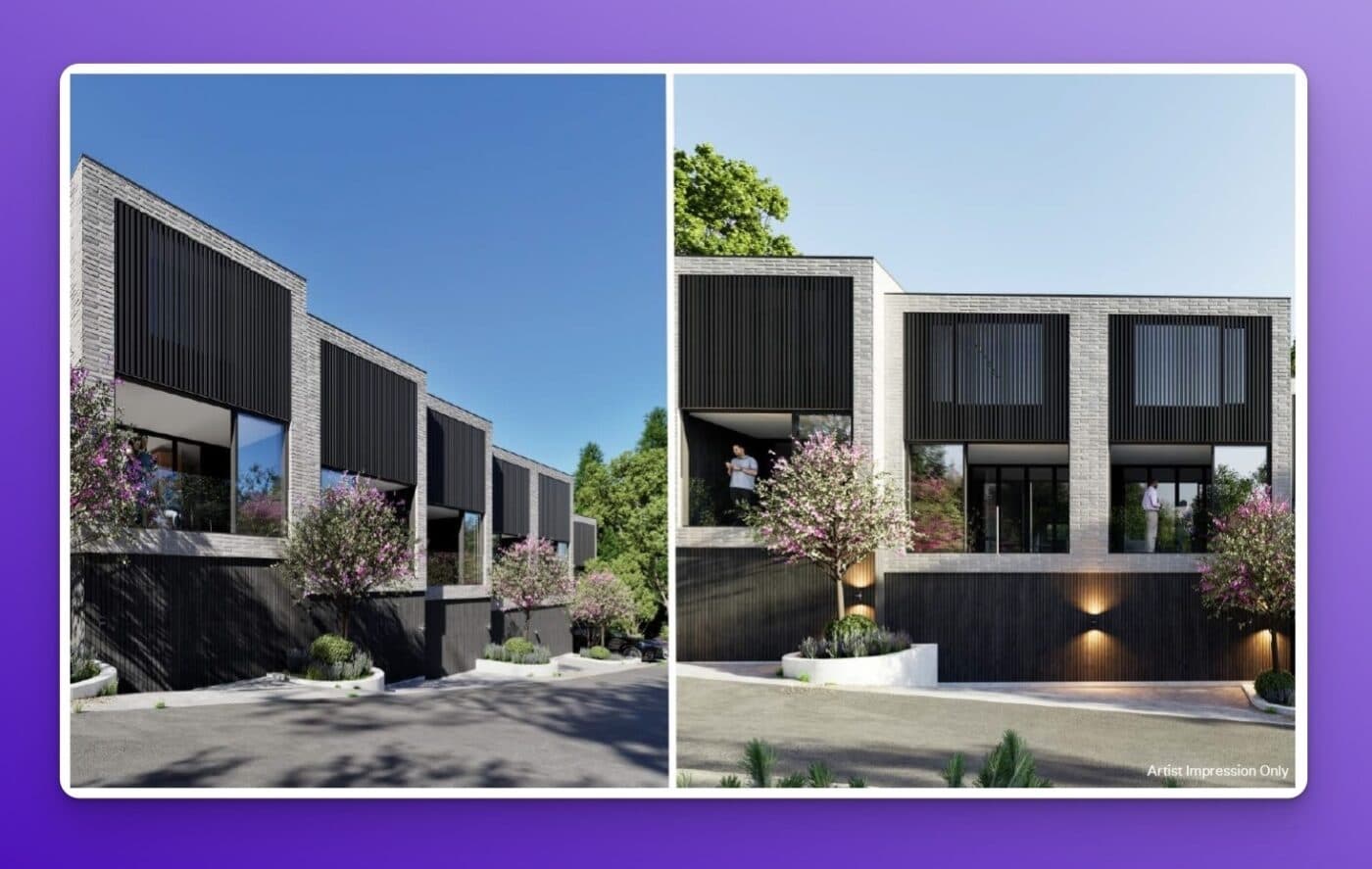
Here is a recent example of 3-bedroom townhouses with garages on Auckland’s North Shore. They were sold for between $940,000 and $980,000.
The North Shore is a more affluent part of Auckland, and these townhouses were built to a much higher standard. This is why the price was at the higher end.
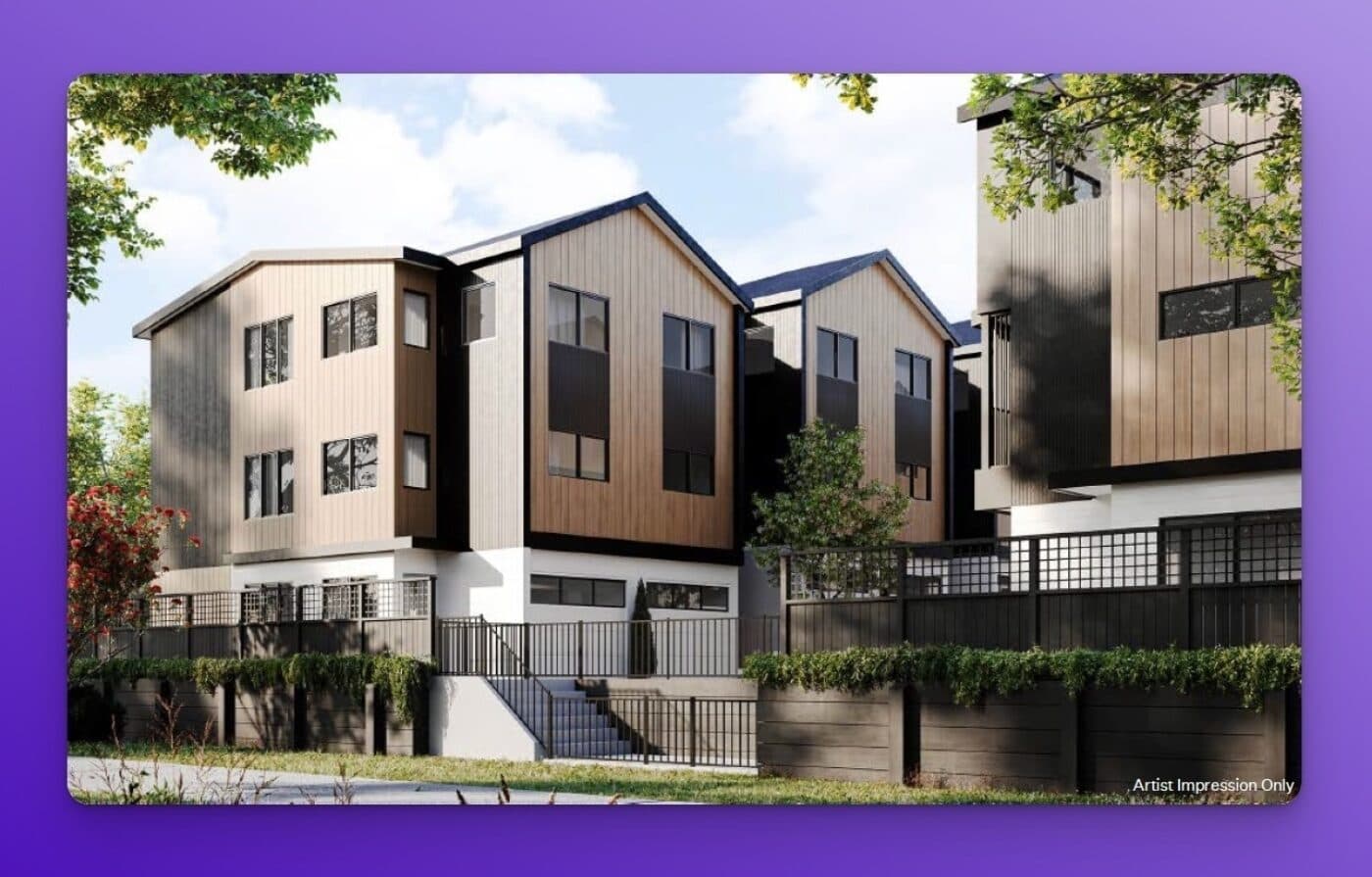
On the other hand, these 3-bedroom townhouses with a garage in Glen Innes (a less affluent area) went for $849,000.
Here at Opes Partners, we typically don’t recommend standalone homes in Auckland.
That’s because the purchase price is often too high relative to the rent. That can make the cashflow harder to manage.
New Build townhouses require a 20% deposit. So, the minimum deposit you’ll need for a 2-bedroom townhouse in Auckland is $120,000. That’s 20% of a $600k property.
For an existing property of the same price, you’d need a $180,000 minimum deposit. That’s for the same-priced property.
But that’s the cheaper end.
If you’re looking for something a bit larger, say a 3-bedroom property with a garage, you’d need a $160,000 deposit if purchasing an $800k property.
In Christchurch, the entry-level 2-bedroom townhouses usually cost between $550,000 and $700,000.
This market is more affordable than Auckland or Queenstown.
| Typical property types | Purchase price range | Minimum deposit |
| Townhouse | $550k – $900k | $110k–$180k |
| Standalone | $670k – $900k | $134k–$180k |
The price often sits closer to the $700,000 mark, if the townhouse includes a garage.
For example, we recommended 112 Warden Street, Richmond. This was a small development of 5 2-bedroom townhouses. Most came with garages, but one didn’t.
The townhouses with a garage were priced at $640,000 and were expected to rent for around $550 a week.
The townhouse with a car park was priced at $580,000 and was expected to rent for around $535 a week.
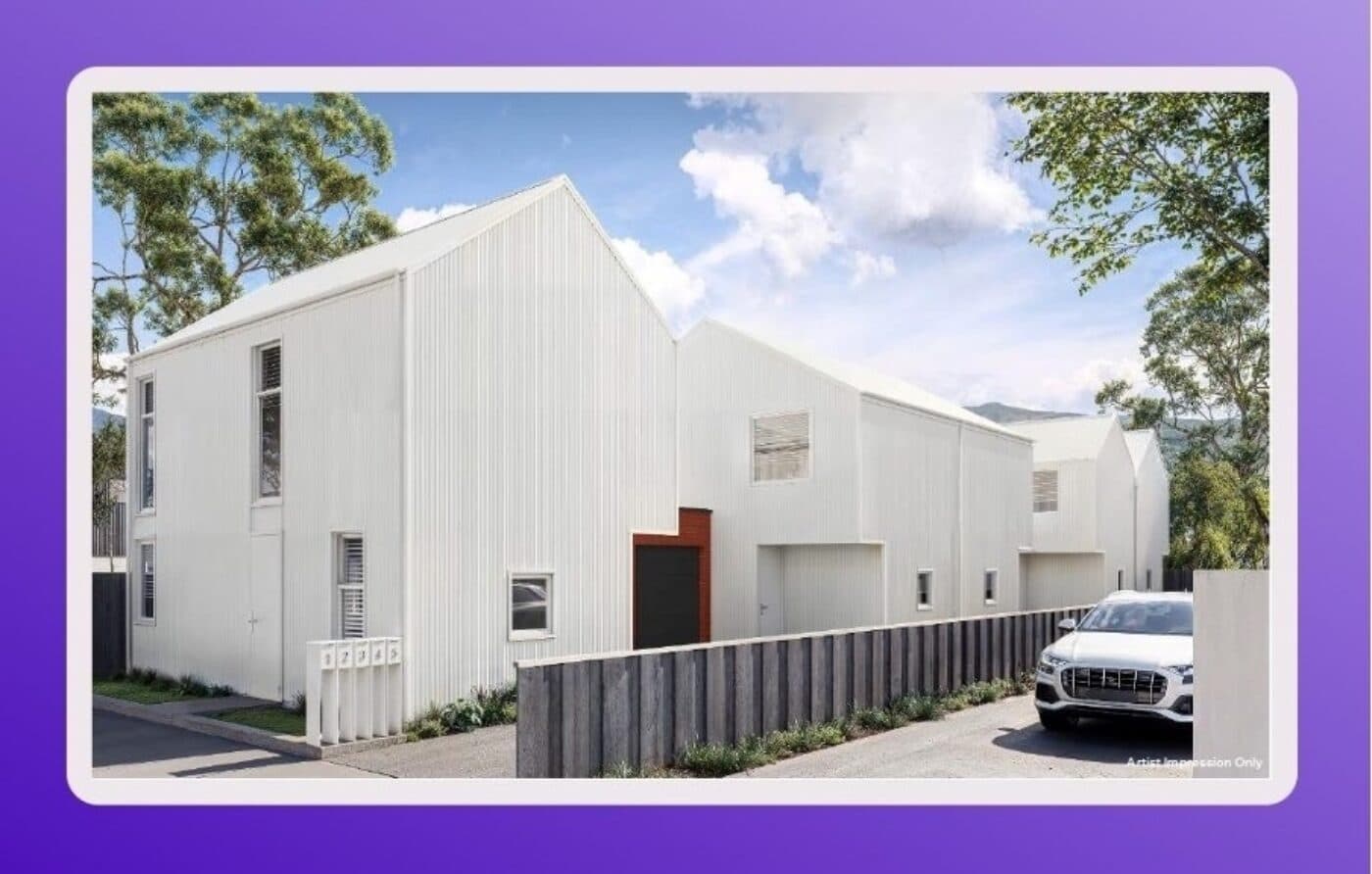
A 3-bedroom townhouse in Christchurch generally starts at $700,000 and goes up to $900,000.
For standalone houses in Canterbury, prices are generally between $670,000 and $900,000. Our top places to invest in standalone houses are Kaiapoi, Belfast, Rolleston and Halswell.
As a rough guide, investors working with Opes can expect to see:
| Area | Property type | Typical price range |
| Canterbury | 3-bedroom standalone house | $670,000 – $750,000 |
| Canterbury | 4-bedroom standalone house | $750,000 – $900,000 |
The minimum deposit investors often need to invest in Christchurch starts at about $110,000.
That’s if you are going in at that entry-level property of $550,000.
An existing property of the same price requires a $165,000 minimum deposit.
Queenstown is a more expensive market, but investors are still active there.
| Typical property types | Purchase price range | Minimum deposit |
| Townhouse | $870,000 - $1.25 million | $174k–$250k |
For example, Opes recently recommended a development in Frankton, Queenstown. They had 2-bedrooms and were priced between $870,000 and $890,000.
That’s significantly higher than comparable properties in Christchurch or Hamilton.
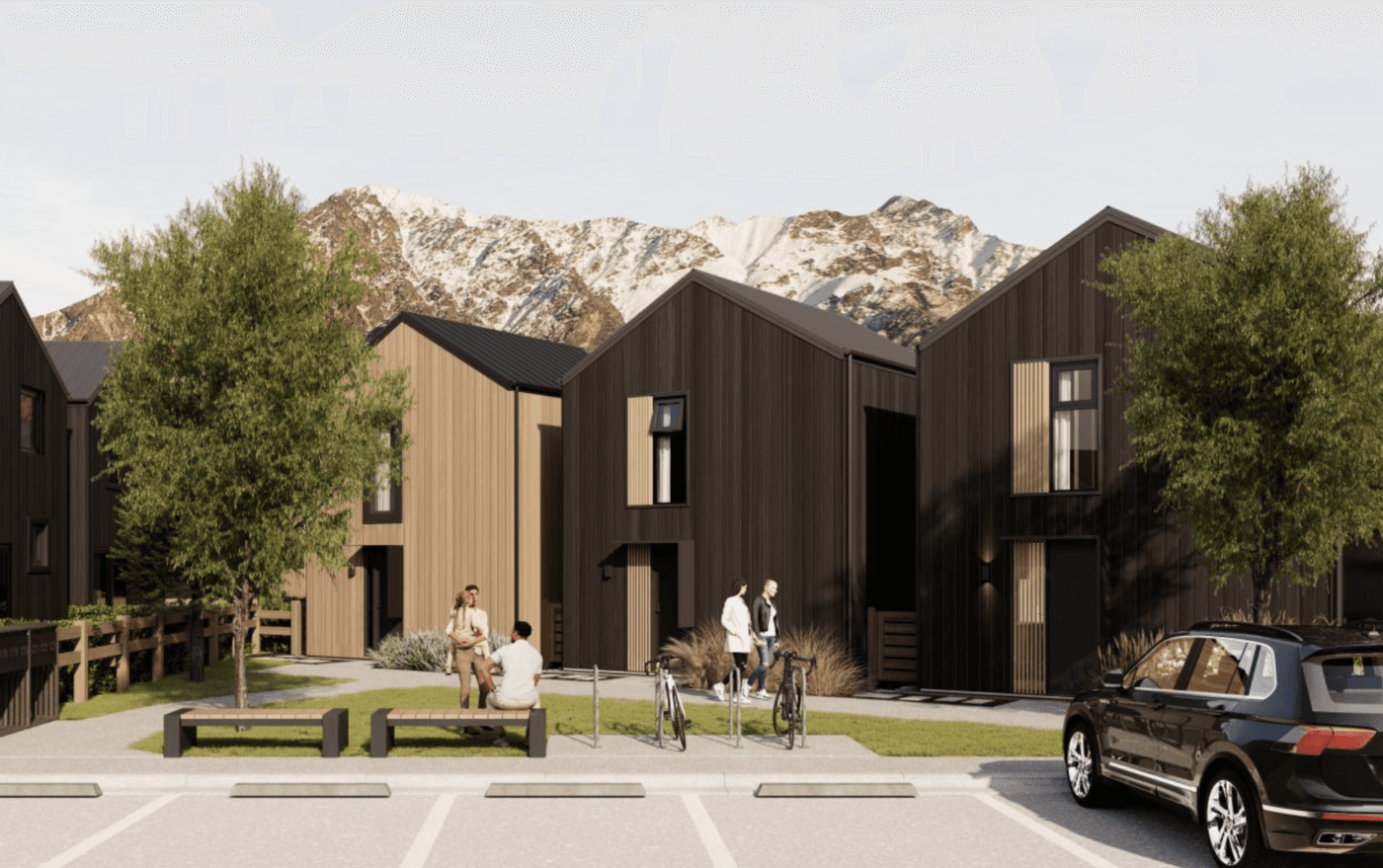
Whereas a 3-bedroom property with a garage in Queenstown was up for $1.23 million.
In Hamilton, New Build townhouses can be found from $600,000 to $700,000, similar to Christchurch and below entry prices in Auckland and Queenstown.
| Typical property types | Purchase price range | Minimum deposit |
| Townhouse | $600,000 - $700,00 | $120k–$140k |
For example, properties on Victoria Street in Beerescourt have recently been priced from $600,000 to $700,000.
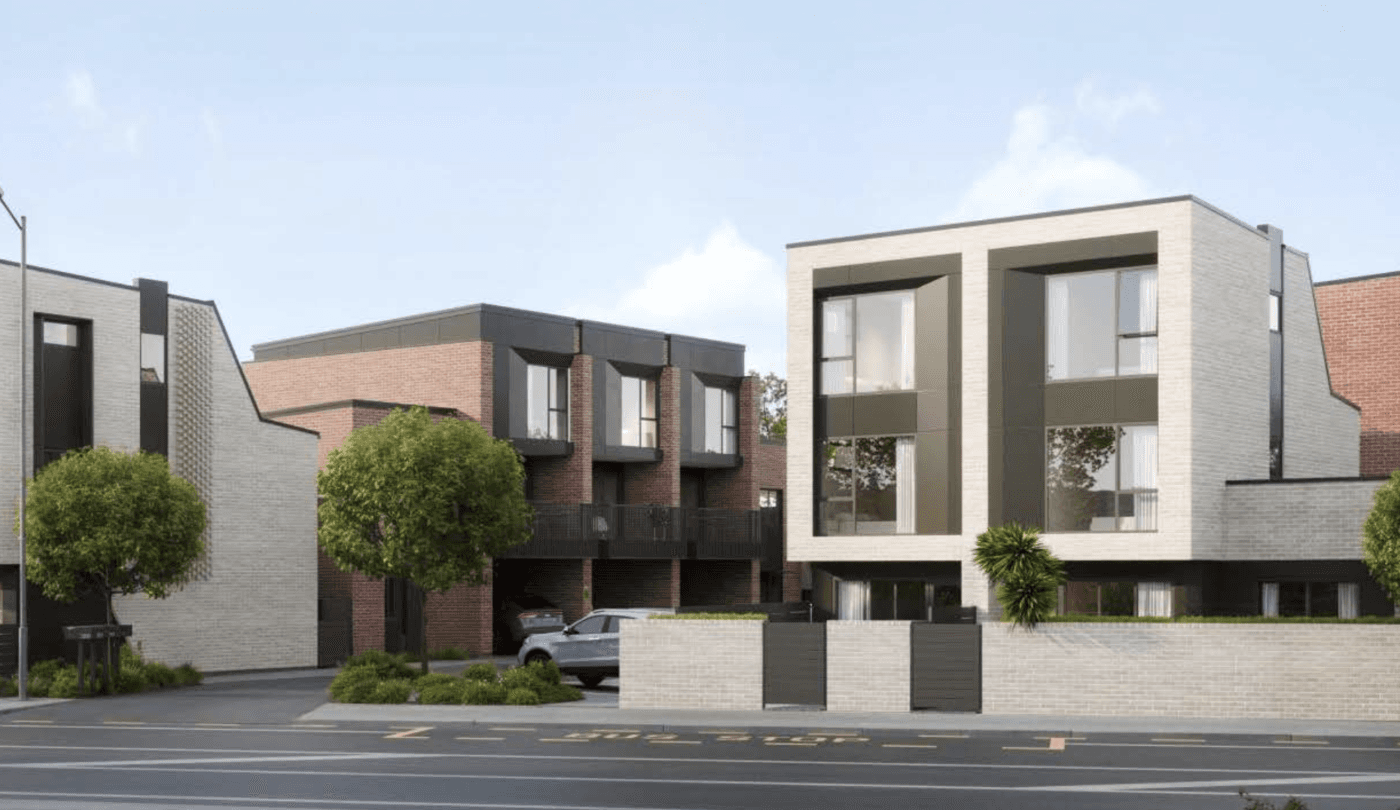
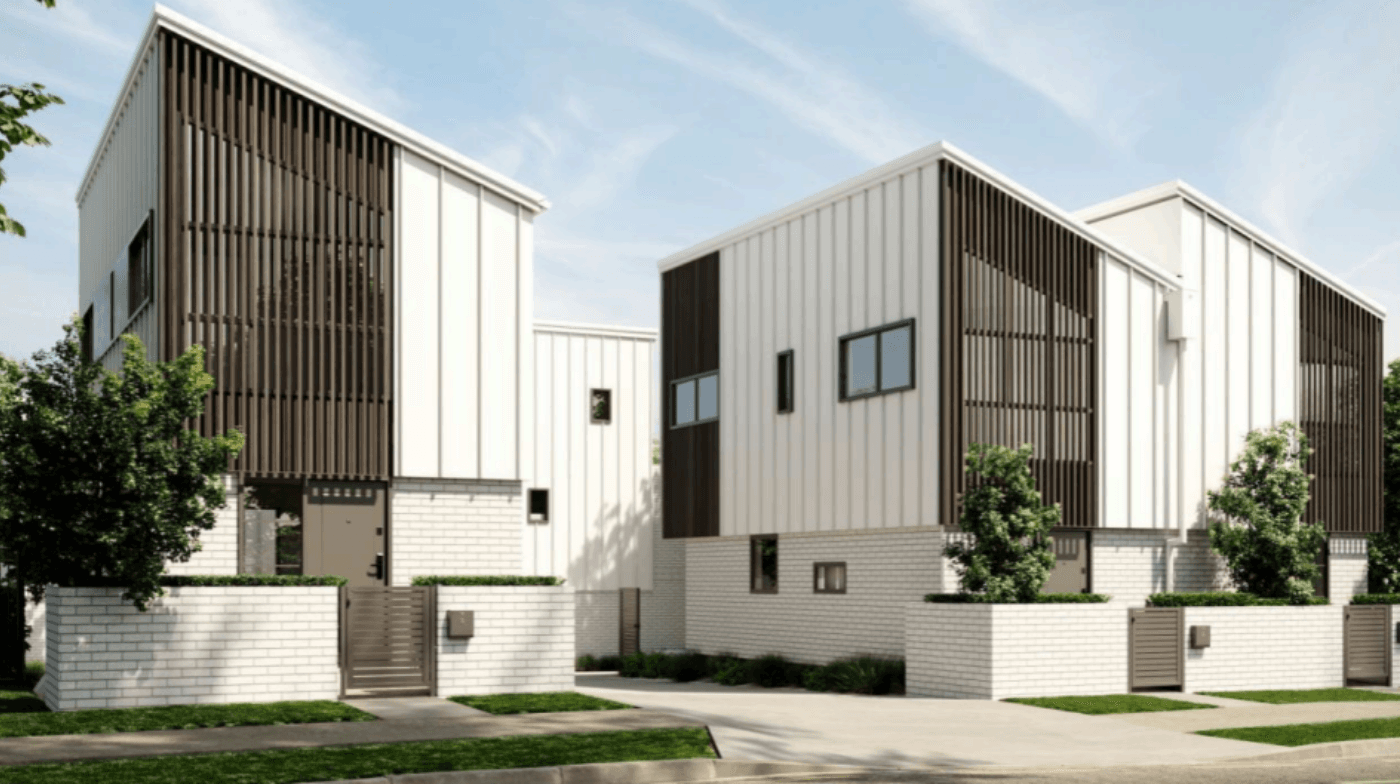
Here is another example of a development in Hamilton just 3km away on Storey Avenue.
Here 2- and 3-bedroom properties with car parks were also priced between $600,000 and $695,000.
Investors often ask: “Can I buy an investment property for under $500k?”
And yes, it is still possible to buy an investment property for under $500,000 in New Zealand.
In fact, there are many towns where the median house price sits below that level.
Even in areas where the median price is higher, say $600,000, a significant proportion of properties may still sell for less than $500,000.
The bigger question isn't whether you can buy under $500,000.
It's whether those properties are in the right locations and are suitable investments.
At Opes Partners, the entry-level properties we typically recommend start at around $550,000. In 2026, that would generally buy a New Build, 2-bedroom, 1-bathroom townhouse in Christchurch with a car park.
That doesn't mean investors aren't successfully buying for less. Many people continue to purchase investment properties below $500,000 around the country.
The challenge is that cheaper properties are often in smaller towns. Or they are older homes that need more maintenance and money spent on them.
If you're considering an older property, remember the deposit is higher at 30%, and you need to budget for renovations and ongoing upkeep.
As a rule of thumb, a meaningful investment property renovation in 2026 can easily start at around $80,000.
So while there is no single "right" price for a first investment property, a budget of $550,000 is often a practical starting point. That's for investors looking to buy a modern, low-maintenance property in a major centre.
For most investors, the starting point is somewhere around $550,000.
If you have a larger deposit, more markets open up.
Having $120,000 to $140,000 may get you into Hamilton or entry-level Auckland. Around $174,000 to $250,000 may open up Queenstown.
And once you have $140,000+, you can start looking at higher-priced Auckland townhouses too.
Here’s a simple way to think about it:
| Deposit available | What it realistically opens up |
| $90k–$110k | Entry-level Christchurch New Builds |
| $120k–$140k | Hamilton townhouses, entry-level Auckland townhouses, and most Christchurch townhouses |
| $134k–$180k | Canterbury standalone houses |
| $174k–$250k | Queenstown properties |
But this doesn’t mean you should automatically spend as much as the bank will let you borrow.
Your deposit gets you into the property. But your cashflow determines whether you can hold it.
That means you also need to look at the rent, mortgage repayments, rates, insurance, body corporate fees, maintenance, and any weekly top-up you may need to pay.
A cheaper property is not automatically a better investment. And a more expensive property is not automatically out of reach.
The right property is one that fits your deposit, matches your borrowing power, suits your investment strategy.
Free quiz · Under 2 mins
Answer 7 quick questions about your income, savings, and situation - and find out whether an investment property is within reach for you.
Find out if I can investFinancial adviser at Opes. Formerly a senior adviser at one of NZ largest investment firms. Owned 3 properties by 30.
Nefe is a Registered Financial Adviser at Opes Partners with 7 years’ experience in financial services. Before joining Opes, she was a senior adviser at one of New Zealand’s largest investment firms, managing $13 million in KiwiSaver and managed funds. She’s helped clients invest over $26 million in property and owned 3 properties before her 30th birthday.
This article is for your general information. It’s not financial advice. See here for details about our Financial Advice Provider Disclosure. So Opes isn’t telling you what to do with your own money.
We’ve made every effort to make sure the information is accurate. But we occasionally get the odd fact wrong. Make sure you do your own research or talk to a financial adviser before making any investment decisions.
You might like to use us or another financial adviser